
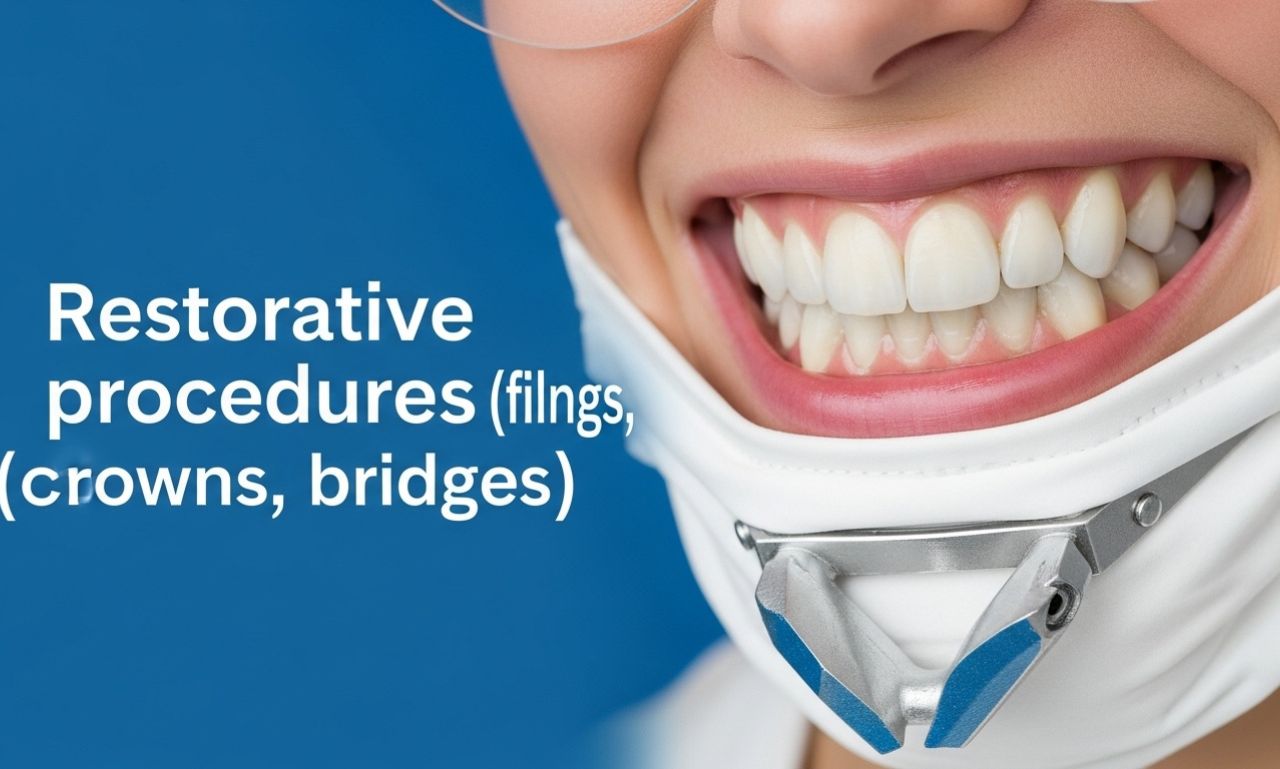
If you’ve ever come across the abbreviation DDS and wondered, what’s DDS stand for, you’re not alone. This three-letter acronym appears in various fields including healthcare, technology, government, and business. Understanding what DDS means depends largely on the context in which it is used. In this article, we will explore the different meanings of DDS, explain where you’re most likely to encounter it, and clarify how to identify the correct interpretation.
By the end, you’ll have a clear understanding of what’s DDS stand for in different industries and why this acronym is so widely used.
What’s DDS Stand For in Dentistry?
One of the most common answers to what’s DDS stand for is Doctor of Dental Surgery. This professional degree is awarded to dentists after completing dental school. In many countries, dentists use the DDS credential after their name to indicate they are licensed dental professionals.
Although the title suggests surgery, dentists with a DDS degree provide a broad range of services, including:
- Routine dental exams
- Teeth cleaning and preventive care
- Fillings and crowns
- Root canal therapy
- Tooth extractions
- Cosmetic dentistry procedures
Interestingly, another degree called DMD (Doctor of Dental Medicine) is considered equivalent to DDS. Both require the same level of education, clinical training, and licensing examinations. The difference is primarily in the title used by the dental school.
When visiting a dentist, seeing DDS after their name simply means they are qualified to practice dentistry professionally.
What’s DDS Stand For in Technology?
In the technology sector, what’s DDS stand for often refers to Data Distribution Service. This is a communication protocol used in real-time systems to share data efficiently between multiple devices or applications.
Data Distribution Service is commonly used in:
- Robotics systems
- Autonomous vehicles
- Aerospace technology
- Military applications
- Industrial automation
DDS technology allows systems to communicate without relying on centralized servers. Instead, it uses a publish-subscribe model, meaning devices can send and receive data dynamically. This improves reliability, scalability, and performance in complex systems.
For example, in autonomous driving, different sensors must continuously exchange information. DDS helps ensure that all components stay synchronized.
What’s DDS Stand For in Government and Social Services?
Another answer to what’s DDS stand for appears in public services. In many regions, DDS refers to Department of Developmental Services. This government agency provides support to individuals with developmental disabilities and their families.
Services offered by these departments may include:
- Residential support programs
- Employment assistance
- Therapy and counseling services
- Educational resources
- Community integration programs
The goal of these organizations is to improve quality of life and promote independence for individuals with special needs. Because many states and countries use similar terminology, the exact responsibilities of a DDS office can vary.
When you see DDS in government documents, it’s important to review the context to determine if it refers to developmental services.
What’s DDS Stand For in Military and Engineering?
In military and engineering contexts, what’s DDS stand for may represent Direct Digital Synthesis. This is a technique used to generate precise waveforms, particularly in signal processing and communications.
Direct Digital Synthesis is commonly used in:
- Radar systems
- Communication equipment
- Signal generators
- Test instrumentation
- Wireless devices
DDS technology provides accurate frequency control and fast switching capabilities. Engineers rely on it when precision is critical.
For example, in communication devices, DDS helps produce stable signals that maintain consistent performance.
What’s DDS Stand For in Business and Finance?
In business settings, what’s DDS stand for can also mean Decision Support System. This refers to software tools designed to help organizations analyze data and make informed decisions.
Decision Support Systems typically include:
- Data analytics tools
- Reporting dashboards
- Predictive modeling
- Performance tracking
- Business intelligence features
Companies use DDS tools to evaluate trends, forecast outcomes, and optimize operations. These systems improve decision-making by presenting complex data in an understandable format.
For example, a retail company might use a decision support system to analyze customer purchasing behavior and adjust inventory levels.
How to Determine What’s DDS Stand For in Context
Since DDS has multiple meanings, context is essential when interpreting the acronym. Here are a few tips to identify the correct meaning:
- Look at the industry – Healthcare usually refers to Doctor of Dental Surgery.
- Check surrounding text – Technical language may indicate Data Distribution Service.
- Review the source – Government documents may point to Department of Developmental Services.
- Consider technical discussion – Engineering topics may mean Direct Digital Synthesis.
- Analyze business context – Corporate content may refer to Decision Support System.
Understanding these clues will help you quickly determine what’s DDS stand for in any situation.
Why the Question “What’s DDS Stand For” Is So Common
The question what’s DDS stand for frequently appears in searches because acronyms are widely used but often unclear. Many industries rely on abbreviations to save time, but this can create confusion for readers.
DDS is particularly tricky because it’s used in multiple professional fields. Someone searching for dental information may encounter technology definitions, and vice versa. This overlap makes clarification important.
Additionally, new technologies and organizations sometimes adopt existing acronyms, increasing the number of possible meanings.
DDS vs Other Similar Acronyms
When exploring what’s DDS stand for, you might also encounter similar abbreviations, such as:
- DMD – Doctor of Dental Medicine
- DSS – Decision Support System (sometimes used interchangeably)
- DSD – Digital System Design
- DDSI – Data Distribution Service Interface
These variations can add confusion, so it’s important to double-check definitions.
Final Thoughts on What’s DDS Stand For
So, what’s DDS stand for? The answer depends on the context. Most commonly, it refers to Doctor of Dental Surgery, but it can also mean Data Distribution Service, Department of Developmental Services, Direct Digital Synthesis, or Decision Support System.
Understanding the surrounding information will help you identify the correct meaning quickly. Whether you encounter DDS in healthcare, technology, government, or business, knowing these interpretations ensures you won’t be confused.
As acronyms continue to grow in popularity, recognizing their multiple meanings becomes increasingly important. Now that you know the different possibilities, you can confidently understand what DDS stands for wherever you see it.