The dds suffix is commonly seen after the names of dental professionals, yet many people are unsure what it actually means. Understanding the dds suffix helps clarify a dentist’s qualifications, training, and professional role. Whether you are choosing a dentist, writing academic content, or simply curious about professional titles, learning about this suffix can provide useful insight. In this article, we will explore the meaning of the dds suffix, its origins, how it differs from other dental credentials, and why it matters in healthcare communication.
What Is the DDS Suffix?
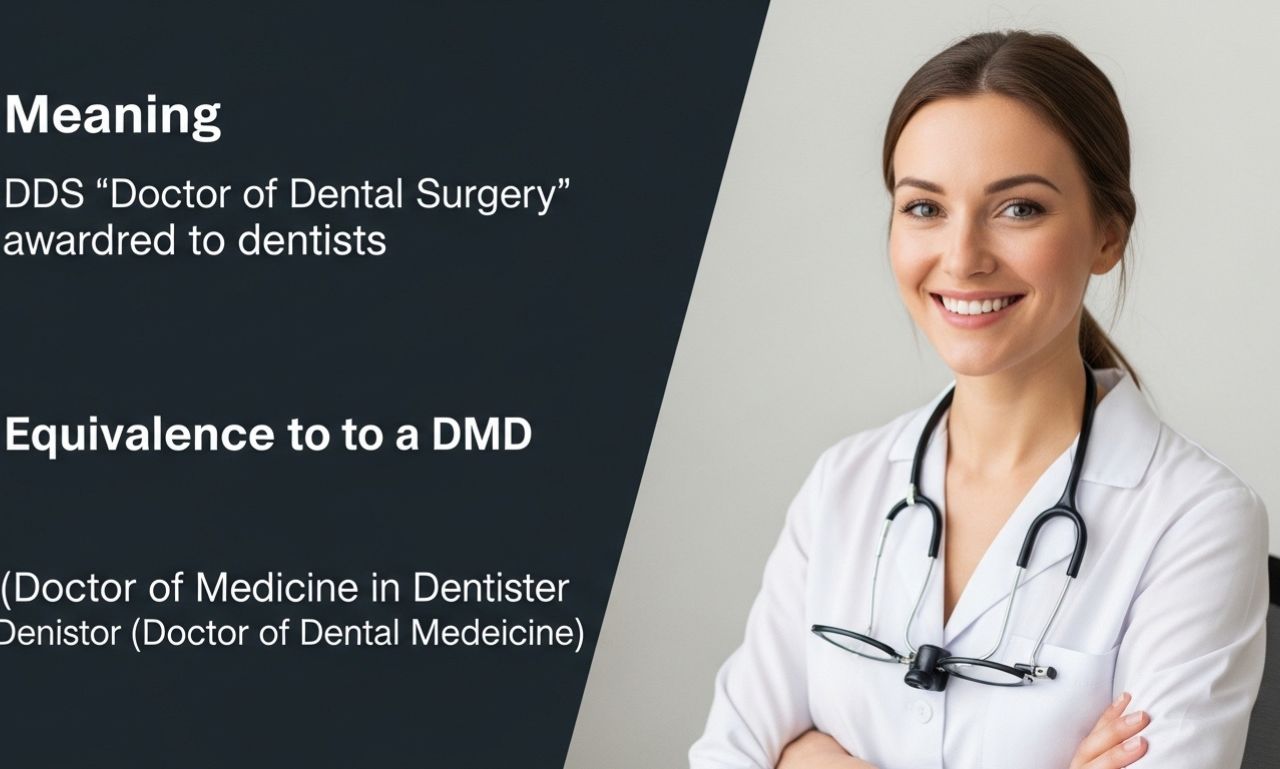
The dds suffix stands for Doctor of Dental Surgery. It is a professional degree awarded to dentists who complete dental school and meet the required licensing standards. When you see someone’s name followed by the dds suffix, it means that person has undergone extensive education and training in dentistry.
Dental schools award this degree after students complete coursework in oral health, anatomy, patient care, and clinical practice. The dds suffix is recognized internationally, especially in the United States and several other countries. It signals that the professional is qualified to diagnose and treat dental conditions.
Why the DDS Suffix Matters
The dds suffix is important because it helps patients quickly identify licensed dental professionals. Without such credentials, it would be harder to distinguish between general dental practitioners and other healthcare providers.
Key reasons the dds suffix matters include:
- It confirms formal dental education
- It indicates professional licensing eligibility
- It builds patient trust
- It clarifies scope of practice
Seeing the dds suffix can give patients confidence when selecting a dentist for their oral health needs.
History of the DDS Suffix
The dds suffix has a long academic history. The Doctor of Dental Surgery degree originated in the 19th century when formal dental education began to standardize. The first dental school in the United States, founded in 1840, awarded graduates with this degree.
Over time, the dds suf-fix became widely accepted as the primary dental credential. Even today, many universities continue awarding the same title, although some institutions use alternative designations. Despite this variation, the dds suf-fix remains one of the most recognizable dental credentials worldwide.
DDS Suffix vs. DMD: What’s the Difference?
DDS Suffix Compared to DMD
A common question is whether the dds suf-fix differs from DMD (Doctor of Dental Medicine). In reality, there is no difference in training or qualifications. Both degrees require identical coursework, clinical experience, and licensing exams.
The only distinction lies in terminology. Some universities prefer the Latin-based title “Dentariae Medicinae Doctor,” which leads to the DMD designation, while others use the traditional dds suf-fix.
Important points to remember:
- Both degrees require the same education
- Licensing requirements are identical
- Scope of practice is the same
- Choice depends on university tradition
Patients should not worry whether a dentist uses DMD or the dds suf-fix, as both indicate equivalent professional expertise.
Educational Requirements for the DDS Suffix
To earn the dds suf-fix, students must complete several stages of education and training. This ensures dentists are well-prepared to provide safe and effective care.
Undergraduate Preparation
Before pursuing the dds suf-fix, students typically complete a bachelor’s degree. Many choose science-related majors such as biology or chemistry. These programs provide foundational knowledge needed for dental school.
Dental School Training
Dental school usually lasts four years. During this period, students learn:
- Oral anatomy
- Dental procedures
- Patient management
- Radiology techniques
- Preventive dentistry
Clinical practice is a major part of training required for the dds suf-fix, allowing students to treat patients under supervision.
Licensing Exams
After graduating, candidates must pass licensing exams to use the dds suf-fix professionally. These exams assess both theoretical knowledge and clinical skills.
Professional Roles Associated with the DDS Suffix
The dds suf-fix is not limited to general dentists. Many specialists also hold this degree before pursuing additional training.
General Dentistry
Professionals with the dds suf-fix often work in general dentistry, providing routine services such as:
- Cleanings
- Fillings
- Examinations
- Preventive care
Dental Specialties
Some dentists pursue advanced training after earning the dds suf-fix. Specialties may include:
- Orthodontics
- Oral surgery
- Pediatric dentistry
- Periodontics
- Endodontics
Even specialists typically maintain the dds suf-fix alongside their additional credentials.
How the DDS Suffix Builds Trust
The dds suf-fix plays a key role in establishing credibility. Patients often rely on credentials to evaluate healthcare providers. Seeing the dds suf-fix reassures them that the dentist has met strict educational and professional standards.
Trust factors associated with the dds suf-fix include:
- Verified academic background
- Clinical competency
- Ethical standards
- Professional accountability
This trust is essential in healthcare, where patients must feel confident in treatment recommendations.
When to Use the DDS Suffix
Professional Communication
The dds suf-fix is typically used in professional settings such as:
- Business cards
- Clinic signage
- Academic publications
- Email signatures
Using the dds suf-fix correctly ensures clarity and professionalism.
Academic and Medical Writing
In academic writing, including the dds suf-fix helps identify authors’ qualifications. It adds credibility to research, case studies, and educational materials.
Common Misunderstandings About the DDS Suffix
Despite its familiarity, the dds suf-fix is sometimes misunderstood. Some people assume it refers to a specialty, but it actually indicates a general dental degree. Others think it differs significantly from DMD, which is not the case.
Clarifying these misconceptions helps patients better understand dental credentials. The dds suf-fix simply indicates a qualified dentist, not a specific specialty.
Importance of the DDS Suffix in Patient Care
The dds suff-ix contributes to better patient care by ensuring professionals meet educational and licensing standards. Dentists with this credential are trained to diagnose oral diseases, recommend treatment, and promote preventive care.
Benefits of choosing a dentist with the dds suf-fix include:
- Professional diagnosis
- Safe treatment procedures
- Preventive care guidance
- Long-term oral health support
Patients benefit from consistent training standards associated with the dds suf-fix.
Future of the DDS Suffix
The dds suf-fix continues to hold strong value in modern dentistry. As technology evolves, dental education expands to include digital imaging, advanced surgical techniques, and patient-centered care. However, the dds suf-fix remains the foundational credential.
Future trends related to the dds suf-fix may include:
- Expanded digital dentistry training
- Increased emphasis on preventive care
- Greater interdisciplinary collaboration
- Continued global recognition
These developments ensure the dds suf-fix remains relevant in the evolving healthcare landscape.
Conclusion
The dds suffix is more than just letters after a name. It represents years of education, clinical training, and professional commitment to oral health. Whether you encounter the dds suffix in a dental office or academic article, it signals a qualified dentist who meets recognized standards. Understanding this credential helps patients make informed decisions and appreciate the expertise behind dental care. With its long history and continued relevance, the dds suffix remains a cornerstone of professional dental identification.