
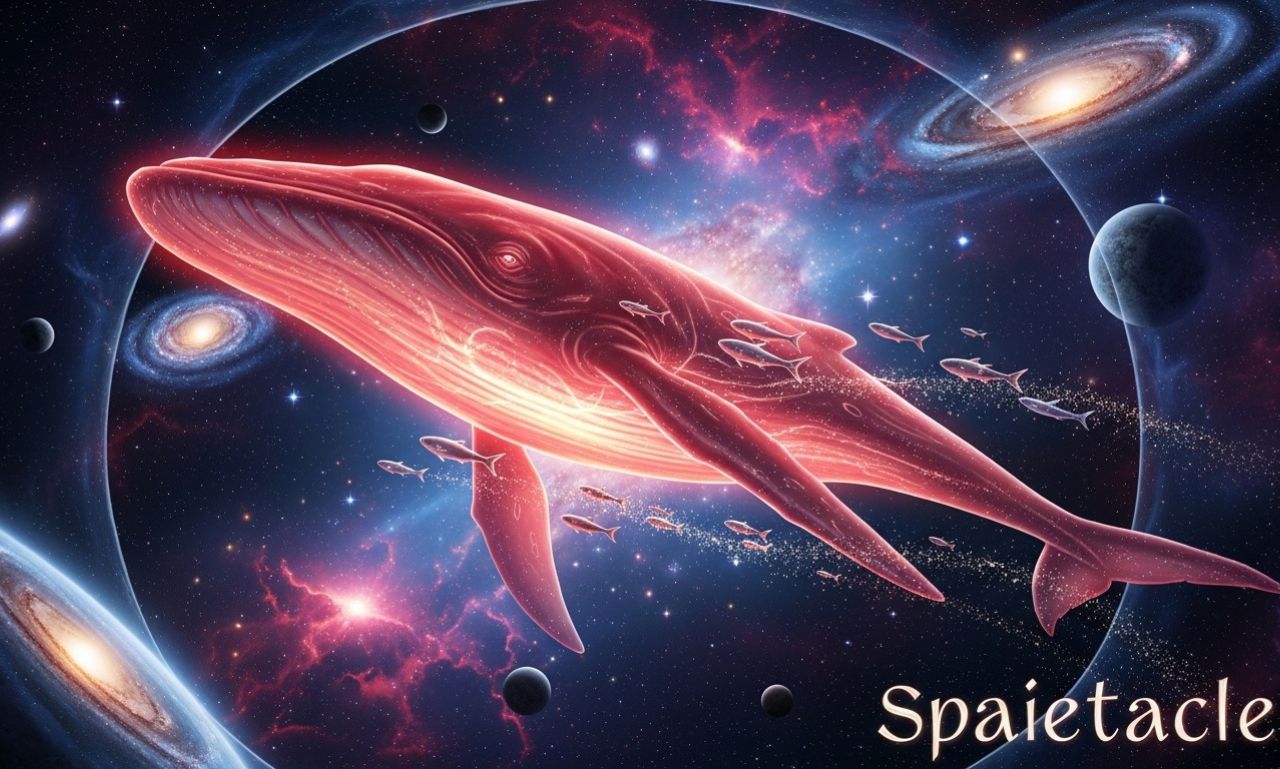
In an age where digital screens bombard us with hyper-stimulating imagery and cities never sleep, we have collectively forgotten how to be amazed without being exhausted. We crave wonder, yet we fear the burnout that often accompanies loud, chaotic displays of grandeur. Enter the spaietacle—a nascent concept that marries the restorative quiet of a sanctuary with the breathtaking impact of a masterpiece. A spaietacle is not merely an event or a place; it is a state of being where visual splendor and inner calm coexist. It is the soft gasp of seeing a million fireflies rise from a still lake, not the roar of a stadium crowd. This article explores how the spaietacle is quietly reshaping our understanding of unforgettable experiences, proving that the deepest awe often speaks in whispers rather than shouts.
What Exactly Defines a Spaietacle? Unpacking the Hybrid Phenomenon
To understand the spaietacle, we must first dismantle its two roots. The traditional “spectacle” relies on scale, noise, and often aggression—think fireworks exploding over a packed harbor or a car chase in a blockbuster film. It demands your attention by force. On the other end lies the “spa,” a realm of hushed tones, lavender scents, and deliberate slowness. At first glance, these worlds are opposites. Yet the spaietacle emerges precisely from their intersection: a moment or environment that is both visually stunning and deeply soothing.
For example, imagine a botanical installation where thousands of glowing orbs pulse gently in sync with visitors’ heartbeats, or a nocturnal art walk through a forest where light projections shift according to the wind’s rhythm. There are no loudspeakers, no jostling crowds, no sensory overload. Instead, the spaietacle offers a curated journey where each visual surprise lowers your cortisol levels instead of raising them. It is an experience that says: You don’t have to be overwhelmed to be moved.
Why the Spaietacle Matters in a Hyper-Stimulated World
Our modern attention economy is a battlefield. Every notification, advertisement, and breaking news alert fights for a slice of our consciousness. The result is a population that suffers from what psychologists call “awe fatigue”—the inability to feel genuine wonder because our nervous systems are constantly on high alert. A traditional spectacle often worsens this problem. After a loud concert or a dazzling light show, many people feel drained, not rejuvenated.
The spaietacle offers an antidote. By design, it respects your sensory limits. It uses negative space—quiet intervals, dim lighting transitions, natural silence—as part of its artistic palette. Studies in environmental psychology suggest that awe combined with low sensory load can actually trigger a state of “soft fascination,” where the mind rests while the eyes wander. This is the sweet spot of the spaietacle. It allows you to experience the thrill of discovery without the hangover of overstimulation. In essence, it turns wonder into a wellness practice.
Key Elements That Create an Unforgettable Spaietacle
Not every beautiful or quiet thing qualifies as a spaietacle. For an event or installation to truly earn this name, it must balance four critical components:
1. Visual Restraint as Grandeur
The first pillar of any spaietacle is controlled beauty. Instead of a million colors, you might find a monochrome palette of deep blues and soft golds. Instead of rapid movement, you witness slow-motion choreography or drifting mist. The goal is to make every element count, eliminating visual noise. This restraint paradoxically amplifies the impact—like a single cello note in an empty cathedral.
2. Immersive Yet Breathable Atmosphere
Unlike a virtual reality headset that seals you off, a spaietacle maintains an open, breathable quality. You can step away, sit down, or close your eyes without missing a “climax” because there is no forced climax. The atmosphere might include gentle aromatherapy, temperature-controlled air, and acoustic design that absorbs echoes. You are inside the art, but you are never trapped by it.
3. A Narrative of Gradual Revelation
The spaietacle unfolds like a poem, not a thriller. It might begin with a single point of light in darkness, then slowly reveal patterns over ten minutes. Your brain is given time to process and anticipate. This pacing is deliberate: it mimics the rhythm of deep breathing or a meditation session. Each new element feels like a gift, not an assault.
4. A Lingering Afterglow
The true test of a spaietacle is what happens after you leave. Traditional spectacles often fade quickly from memory, replaced by the next loud event. But a well-crafted spaietacle leaves a sense of calm wonder that persists for days. You might find yourself sleeping better, feeling more patient, or noticing small beauties in everyday life. This afterglow is the ultimate metric of success.
Examples of the Spaietacle in Modern Culture
Though the term is new, the concept already exists in pioneering works around the globe. Japan’s “teamLab Borderless” digital art museum, in its original form, came close to a spaietacle: visitors walked through rooms where flowers bloomed and died on walls in slow motion, accompanied by ambient soundscapes. There was no fixed path, no rush, and no forced interaction—just quiet discovery.
Another example is the “Floe” installation in Alaska, where translucent ice domes are lit from within by shifting aurora-colored LEDs. Visitors lie on heated stone benches and watch the colors change over an hour. There are no speakers, no guides, no schedule. The experience is entirely self-paced. Reviews consistently use the same words: “calming,” “magical,” “unforgettable.” That is the spaietacle effect.
Even in retail, brands like Aesop and Le Labo have designed stores that function as miniature spaietacles—sinks of warm water, shelves of amber bottles backlit by soft rays, and absolute silence except for the trickle of a fountain. Shopping becomes a meditative act. These spaces prove that the spaietacle is not limited to art galleries; it can be woven into daily life.
How to Cultivate Your Own Personal Spaietacle at Home
You do not need a museum budget to access the power of a spaietacle. Start by choosing a single corner of your home. Remove all visual clutter—cables, papers, bright logos. Replace the overhead light with a dim, warm lamp or a salt lamp. Add one moving element: a small desktop fountain, a rotating star projector, or even a candle whose flame flickers naturally. Then introduce a slow, repetitive sound—rainfall, a single Tibetan bowl, or just your own breathing.
Commit to sitting in this space for ten minutes without any screen. Watch how the light shifts. Notice how the water moves. Do not try to “achieve” anything. This is your personal spaietacle. Over time, you will find that this miniature ritual recharges your capacity for wonder more effectively than any loud event ever could.
The Future of Shared Experiences Lies in the Spaietacle
As we move further into an era of burnout and digital fatigue, the demand for gentle, restorative wonder will only grow. Event planners, architects, and artists are beginning to realize that the future is not louder but softer. The spaietacle represents a paradigm shift: from performance to presence, from audience to participant, from exhaustion to renewal. The next great landmark may not be a taller skyscraper or a faster roller coaster, but a silent room where light dances at the speed of a heartbeat.
In conclusion, the spaietacle is more than a trend—it is a necessary evolution of how we seek beauty. It reminds us that the most profound moments in life are not always the loudest. Sometimes, they arrive on quiet feet, leaving us not breathless but deeply, peacefully alive. So the next time you plan a celebration, a getaway, or even a Friday evening, ask yourself: Can I make this a spaietacle? Your mind and body will thank you.