The concept of Nativität carries a profound depth that transcends simple definition, embodying layers of cultural, spiritual, and historical meaning that have evolved over centuries. Rooted in ancient traditions and widely recognized in various cultural narratives, Nativität symbolizes beginnings, origins, and sacred moments that define identity. Whether viewed through a religious lens or interpreted as a cultural expression, its significance continues to shape collective understanding across societies.
In the modern world, where traditions often merge with contemporary interpretations, Nativität remains a powerful symbol of continuity and transformation. It is not merely a historical reference but a living concept that adapts to changing times while preserving its core essence. This enduring relevance makes it a fascinating subject of exploration, especially when examined through the perspectives of history, art, and social influence.
Historical Origins of Nativität
The origins of Nativität can be traced back to early civilizations where the idea of birth and divine beginnings held central importance in storytelling and belief systems. Ancient societies often used symbolic narratives to explain creation and existence, and these narratives frequently revolved around significant births that shaped the destiny of people and nations. Over time, these stories became embedded in cultural frameworks, giving rise to traditions that still exist today.
As history progressed, the meaning of Nativität evolved alongside religious and cultural developments. It became closely associated with structured belief systems, particularly within European traditions, where it took on a more defined role in spiritual celebrations. This transformation highlights how historical context plays a vital role in shaping the interpretation of symbolic concepts, allowing them to remain relevant across generations.
Cultural Interpretations Across Different Societies
Different societies have interpreted Nativität in unique ways, reflecting their distinct values, beliefs, and traditions. In some cultures, it is closely tied to religious ceremonies and rituals that celebrate sacred births, while in others, it represents broader themes of renewal and continuity. These diverse interpretations demonstrate the adaptability of the concept and its ability to resonate with various cultural identities.
Despite these differences, there is a shared understanding that Nativität represents something fundamental to human experience. It connects individuals to their roots, offering a sense of belonging and continuity. This universal aspect allows it to bridge cultural gaps, creating a common ground where traditions can be appreciated and understood across boundaries.
The Role of Nativität in Religious Contexts
In religious contexts, Nativität often holds a central place as a symbol of divine presence and spiritual renewal. It is commonly associated with sacred narratives that emphasize the importance of birth as a moment of transformation and hope. These narratives are not only spiritual teachings but also cultural touchstones that influence traditions, rituals, and celebrations.
The influence of Nativität in religion extends beyond ceremonies, shaping moral values and guiding principles for communities. It serves as a reminder of humility, compassion, and the interconnectedness of life. Through its presence in religious teachings, it continues to inspire individuals and communities to reflect on their beliefs and actions.
Artistic Representations of Nativität
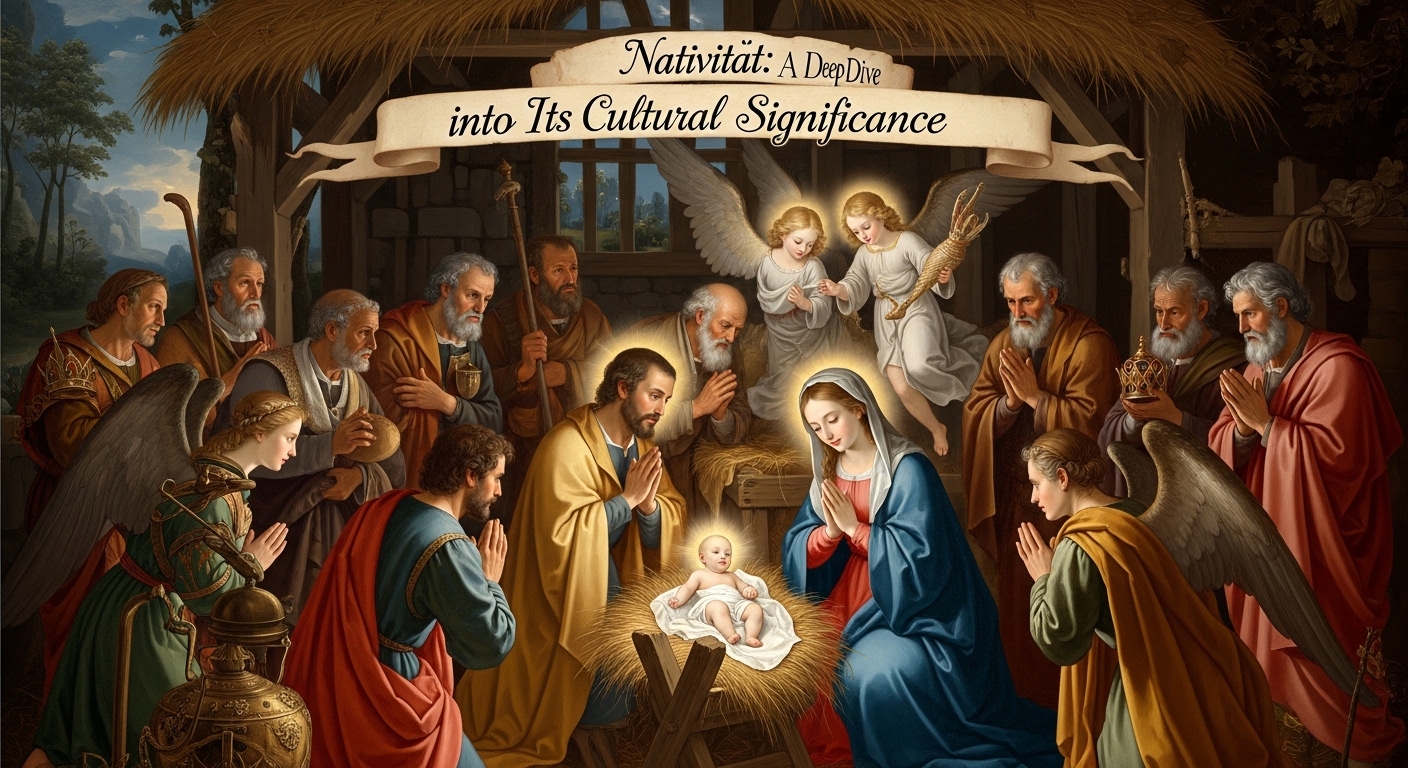
Art has played a crucial role in bringing the concept of Nativität to life, offering visual and emotional interpretations that resonate with audiences. From classical paintings to modern installations, artists have explored its themes in diverse ways, capturing the essence of beginnings and sacred moments. These representations often reflect the cultural and historical context in which they were created, adding layers of meaning to the concept.
The evolution of artistic expression has allowed Nativität to remain relevant in contemporary art forms. Today, it can be seen in digital media, film, and performance art, where it continues to inspire creativity and innovation. This ongoing reinterpretation highlights the enduring power of the concept and its ability to adapt to new artistic landscapes.
Nativität in Literature and Storytelling
Literature has long been a medium through which the themes of Nativität are explored and communicated. Writers have used the concept to craft narratives that delve into the complexities of human existence, often focusing on the significance of beginnings and transformation. These stories provide insight into cultural values and beliefs, making them an essential part of literary tradition.
Through storytelling, Nativität becomes more than a symbolic idea; it becomes a lived experience that readers can connect with. The emotional depth and narrative richness associated with it allow for a deeper understanding of its significance, making it a recurring theme in both classical and modern literature.
Societal Impact and Modern Interpretations
In contemporary society, Nativität continues to influence cultural practices and social dynamics. It is often reflected in celebrations, traditions, and communal activities that emphasize unity and shared heritage. These practices not only preserve cultural identity but also foster a sense of community and belonging.
Modern interpretations of Nativität have expanded its meaning to include themes of personal growth and self-discovery. In a rapidly changing world, it serves as a reminder of the importance of origins and the value of new beginnings. This evolving perspective ensures that the concept remains relevant and meaningful in today’s context.
Comparative Analysis of Cultural Perspectives
The following table provides a comparative overview of how Nativität is interpreted across different cultural contexts, highlighting key themes and practices associated with it.
| Culture/Region | Primary Interpretation | Key Themes | Cultural Practices |
|---|---|---|---|
| European Traditions | Sacred birth narratives | Spiritual renewal | Seasonal celebrations |
| Asian Contexts | Cycles of life and rebirth | Harmony and balance | Ritual ceremonies |
| African Traditions | Ancestral connections | Continuity and heritage | Community gatherings |
| Modern Global Culture | Symbol of new beginnings | Identity and transformation | Diverse interpretations |
This comparison illustrates the versatility of Nativität as a concept that transcends geographical and cultural boundaries. While the specific interpretations may differ, the underlying themes remain consistent, emphasizing its universal significance.
Psychological and Emotional Dimensions
From a psychological perspective, Nativität represents the human need to understand origins and identity. It provides a framework for individuals to explore their place in the world, offering a sense of continuity and purpose. This connection to beginnings can have a profound impact on emotional well-being, fostering a sense of stability and belonging.
Emotionally, the concept evokes feelings of hope, renewal, and possibility. It serves as a reminder that every ending is followed by a new beginning, encouraging individuals to embrace change and growth. This emotional resonance is one of the reasons why it continues to hold significance across different contexts.
The Influence of Nativität on Traditions and Festivals
Traditions and festivals around the world often incorporate elements of Nativität, celebrating themes of birth, renewal, and continuity. These events provide an opportunity for communities to come together, reinforcing cultural identity and shared values. The rituals and practices associated with these celebrations are deeply rooted in historical and cultural narratives.
Over time, these traditions have evolved, incorporating modern elements while preserving their core significance. This balance between tradition and innovation ensures that Nativität remains a vibrant and dynamic aspect of cultural life, capable of adapting to changing societal contexts.
Future Perspectives on Nativität
Looking ahead, the concept of Nativität is likely to continue evolving as societies change and new interpretations emerge. Advances in technology and globalization are already influencing how cultural narratives are shared and understood, creating new opportunities for the concept to be explored and expressed.
Despite these changes, the fundamental themes of Nativität are expected to remain constant, reflecting the enduring human fascination with beginnings and origins. As long as these themes continue to resonate, the concept will retain its relevance and significance in the future.
Conclusion
The exploration of Nativität reveals a concept that is both deeply rooted in history and continuously evolving in modern contexts. Its ability to adapt while maintaining its core essence is a testament to its enduring significance. Whether viewed through cultural, religious, or personal lenses, it remains a powerful symbol of beginnings and transformation.
Ultimately, Nativität serves as a reminder of the interconnectedness of human experience, bridging the past and the present while inspiring future generations. Its legacy is not confined to a single interpretation but exists as a dynamic and multifaceted concept that continues to shape our understanding of the world.