
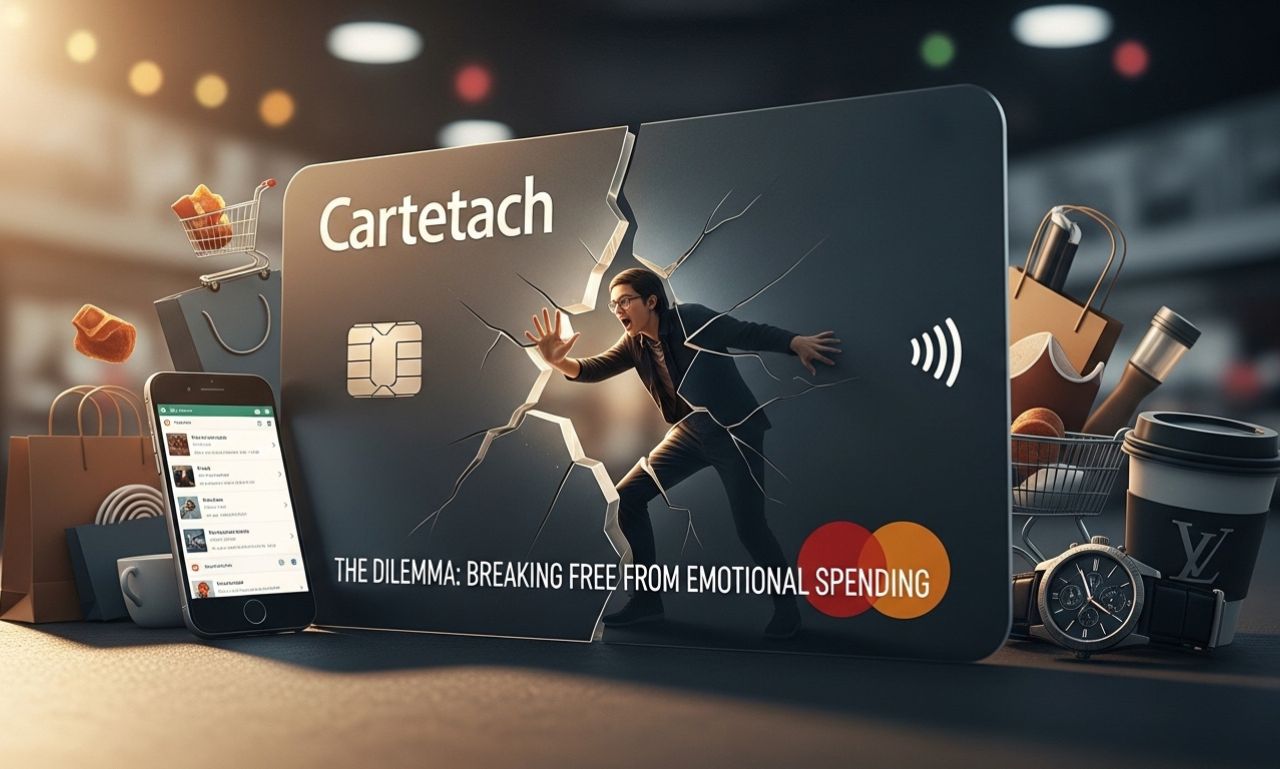
In an era of instant online shopping and targeted advertisements, many individuals experience a quiet but powerful phenomenon known as cartetach. This term describes the internal conflict between adding items to a digital shopping cart and the subsequent inability to detach from the desire to purchase them. While not a clinical diagnosis, cartetach has become a modern behavioral pattern that influences financial health, emotional well-being, and decision-making processes. Understanding this concept is the first step toward regaining control over impulsive spending and fostering a healthier relationship with material possessions. As e-commerce continues to dominate retail, the grip of cartetach only tightens, making it essential to explore its causes, symptoms, and solutions.
What Is Cartetach? Defining the Modern Attachment
At its core, cartetach is a blend of “cart” and “detach,” referring to the difficulty of abandoning a virtual shopping cart after emotionally investing in potential purchases. Unlike simple window shopping, cartetach involves a psychological bond with items that have been selected, reviewed, and saved. This attachment can persist even when the buyer knows the product is unnecessary or unaffordable. Retailers often exploit this tendency by sending abandoned cart reminders, creating urgency with low-stock alerts, or offering time-limited discounts. Consequently, cartetach is not merely a personal failing but a response to a digital environment engineered to maximize retention and conversion. Recognizing the mechanics behind cartetach empowers consumers to pause and question whether they truly need the item or merely crave the anticipation of ownership.
The Psychological Roots of Cartetach
Several cognitive biases and emotional triggers contribute to the cartetach experience. First, the endowment effect suggests that people assign higher value to items they feel they already own. By placing a product in a digital cart, the brain begins to treat it as personal property, making removal feel like a loss. Second, the scarcity principle—amplified by countdown timers and limited stock messages—fuels anxiety, reinforcing cartetach by suggesting that delaying purchase leads to permanent regret. Third, emotional states such as boredom, loneliness, or stress drive users to browse and fill carts as a form of retail therapy. In each case, cartetach transforms a simple transaction into an emotional event, where clicking “remove” feels like rejecting a part of oneself. Understanding these roots does not excuse the behavior but provides a map for intervention.
How Cartetach Affects Daily Life and Finances
The consequences of unmanaged cartetach extend beyond occasional overspending. For many, cartetach leads to chronic financial leakage—small, recurring purchases that accumulate into significant debt. Credit card bills swell with items that were never truly needed but could not be released from the cart. Moreover, cartetach consumes mental energy. The hours spent comparing products, reading reviews, and revisiting carts reduce productivity and increase decision fatigue. Socially, individuals may hide packages or downplay purchases to avoid judgment, fostering secrecy and shame. In extreme cases, cartetach overlaps with compulsive buying disorder, where the act of acquiring provides temporary relief followed by guilt. However, even mild cartetach can erode savings goals and clutter living spaces, proving that this modern habit carries tangible weight.
Strategies to Overcome Cartetach
Breaking the cycle of cartetach requires deliberate, actionable steps rather than sheer willpower. The following strategies have proven effective for reclaiming autonomy over online shopping habits.
1. The 24-Hour Cart Cool-Down
Implement a mandatory waiting period before completing any purchase. When cartetach urges you to buy, move the items to a “saved for later” list and close the tab. Return after 24 hours. Most often, the urgency has faded, and the items no longer spark the same excitement. This simple delay disrupts the emotional momentum that fuels cartetach.
2. Unsubscribe and Unfollow
Retailers rely on email reminders and social media ads to reactivate cartetach. Unsubscribe from all commercial newsletters and use ad-blockers where possible. By reducing external cues, you weaken the triggers that reignite attachment to abandoned carts. Out of sight often leads to out of mind.
3. Assign a True Cost to Cartetach
Calculate the real price of your cartetach habit. Add up all unplanned purchases from the past three months that originated from saved carts. Then, multiply that by your annual income percentage to see what that money could have become if invested. Visualizing opportunity costs—a missed vacation, a delayed home repair—makes car-tetach feel less harmless and more costly.
4. Replace Browsing with a Different Ritual
Since car-tetach often emerges from boredom or stress, replace shopping app usage with a nondigital alternative. For example, when you feel the urge to fill a cart, do ten push-ups, brew a cup of tea, or write down three things you already own that you appreciate. Retraining your brain to seek different rewards weakens the car-tetach loop over time.
5. Use Single-Use Payment Methods
If car-tetach persists, impose friction on the checkout process. Use prepaid cards or digital wallets with limited balances. When the cart total exceeds available funds, you are forced to remove items, making car-tetach harder to sustain. The extra step of reloading funds often provides enough reflection to abandon the cart entirely.
When Cartetach Signals Deeper Issues
While occasional car-tetach is normal in a consumer-driven society, chronic patterns may indicate underlying conditions such as anxiety, depression, or impulse control disorders. If cartetach leads to lying about purchases, borrowing money to cover shopping, or feeling euphoric only during checkout, professional help may be warranted. Cognitive behavioral therapy (CBT) has shown success in treating compulsive shopping by addressing the thoughts and emotions that fuel car-tetach. Support groups like Spenders Anonymous also offer community accountability. Remember, cartetach is not a moral weakness but a learned behavior—and what has been learned can be unlearned with proper tools and support.
Building a Future with Less Cartetach
The goal is not to eliminate all online shopping but to practice intentional consumption. Start by auditing your current cartetach triggers. Keep a log for one week: note every time you add an item to a cart, how long it stays there, and whether you eventually buy it. Patterns will emerge—late-night browsing, emotional lows, or specific websites. Then, design your environment to reduce those triggers. Remove saved credit cards from your browser, install website blockers during vulnerable hours, and share your cartetach reduction goals with a trusted friend who can gently call out lapses. Over time, you will retrain your brain to see a full cart not as a treasure chest but as a decision point. Each time you successfully close a cart without buying, you strengthen the neural pathways of detachment. Eventually, cartetach loses its power, replaced by mindful choice and financial freedom.
Conclusion
Cartetach may be a product of the digital age, but it does not have to define your spending life. By understanding its psychological roots, recognizing its real-world costs, and applying practical strategies, anyone can break free from the invisible chains of the saved shopping cart. The next time you hover over the checkout button, remember: detaching is not deprivation. It is an act of self-respect. Let your cart be a tool, not a trap. With patience and practice, cartetach transforms from a source of stress into a mastered skill—one that leaves you richer, calmer, and more in control.