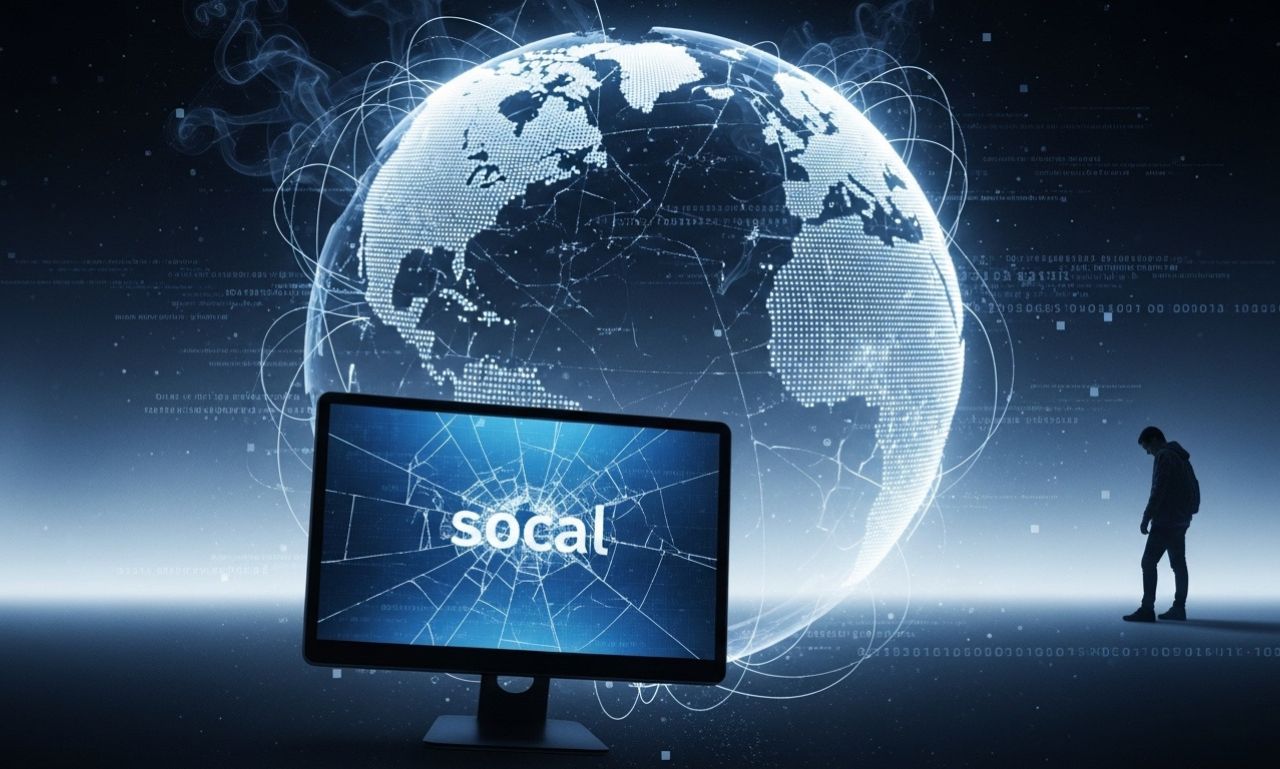
In the fast-paced world of algorithmic feeds and viral outrage, few incidents capture the fragility of brand reputation quite like the SilkTest social media saga. This peculiar episode, which unfolded across Twitter, Reddit, and TikTok in late 2024, began not with a political firestorm or a celebrity scandal, but with a seemingly mundane piece of software quality assurance. What followed was a perfect storm of technical confusion, user paranoia, and corporate silence. The saga serves as a stark warning about how niche backend tools can suddenly become the focus of mainstream panic when amplified by the unrelenting logic of social media engagement.
The Genesis: What Was the SilkTest Social Media Saga?
To understand the chaos, one must first understand the catalyst. The SilkTest social media saga did not start with a hacker or a leaked document. It started with a simple, overlooked piece of automation. SilkTest is a legacy automated functional testing tool used by developers to simulate user interactions on websites and applications. For years, it operated quietly in the background of enterprise IT. However, the trouble began when a major e-commerce platform inadvertently left a staging server open to the public. Bots running SilkTest scripts began posting strange, repetitive comments on the platform’s live help forums—comments like “Test_User_447: Session timeout” and “Verify checkout flow complete.”
A single user screenshotted these ghostly interactions and posted them to X (formerly Twitter) with the caption, “Is this AI talking to itself?” Within 48 hours, the SilkTest social media saga had been born. Influencers with no background in software testing speculated that the posts were evidence of “secret algorithms” suppressing organic reach. The keyword became a trending topic, and panic spread faster than fact.
How Algorithms Amplified the SilkTest Social Media Saga
The mechanics of virality played a cruel trick on the participants of this drama. As the SilkTest social media saga gained traction, the platform’s recommendation engines began promoting the most sensational content. Factual explanations—such as posts clarifying that SilkTest was merely a debugging tool—received minimal engagement. Conversely, videos set to ominous music, claiming that “SilkTest proves your phone is listening to you,” accumulated millions of views. This algorithmic preference for fear over nuance turned a technical footnote into a full-blown conspiracy theory. Each share and comment reinforced the cycle, proving that in the current digital landscape, the most mundane error can become a monster when filtered through the lens of mass paranoia.
The Breakdown: Corporate Silence and User Rage
A critical turning point in the SilkTest social media saga was the response (or lack thereof) from the company whose servers had leaked the test scripts. For five agonizing days, the company’s official social media accounts remained silent. Their community managers, likely unsure how to explain automated testing to a terrified audience, posted only a generic “We are looking into unusual activity.” This vague statement was misinterpreted as a confirmation of a hack. Frustrated users demanded answers, while tech journalists scrambled to explain that no data breach had occurred. The silence created a vacuum, and the vacuum was filled with speculation. By day three, the SilkTest social media saga had evolved into a referendum on corporate transparency, with thousands of users sharing the hashtag #ReleaseTheLogs.
The Psychological Hook: Why We Feared the Bot
What makes the SilkTest social media saga psychologically fascinating is the specific fear it triggered: the fear of being watched by a malfunctioning machine. Unlike a targeted hack, these test scripts were random, repetitive, and devoid of human emotion. Their very meaninglessness felt threatening. Psychologists note that humans are pattern-seeking creatures; when we see a bot performing an action without clear intent, our brains default to assuming malicious intent. The SilkTest social media saga exploited this cognitive bias perfectly. Users imagined the test scripts were trying to “break” the platform or “steal” conversations, when in reality, the scripts were simply trying to verify that a login button worked. This disconnect between technical reality and emotional perception is the true engine of modern digital scandals.
Lessons Learned: Preventing the Next SilkTest Social Media Saga
As the dust settles on the SilkTest social media saga, three clear lessons emerge for brands, developers, and users. First, for developers: never expose staging or testing environments to the public internet. A simple firewall rule could have prevented this entire fiasco. Second, for corporate communication teams: silence is never a strategy. A rapid, plain-language explanation (e.g., “Our testing tool posted gibberish by accident; you are safe”) would have deflated the panic in hours. Finally, for users: the SilkTest social media saga is a reminder to pause before panicking. Not every automated anomaly is a conspiracy. Sometimes, a bot is just a bot doing its job badly. The saga ultimately faded from the trending page, replaced by the next outrage. But its legacy remains: a cautionary tale about how quickly technical debt can become reputational ruin when filtered through the high-speed, low-context machine of social media. The internet may forget the code, but it will not forget the chaos.