
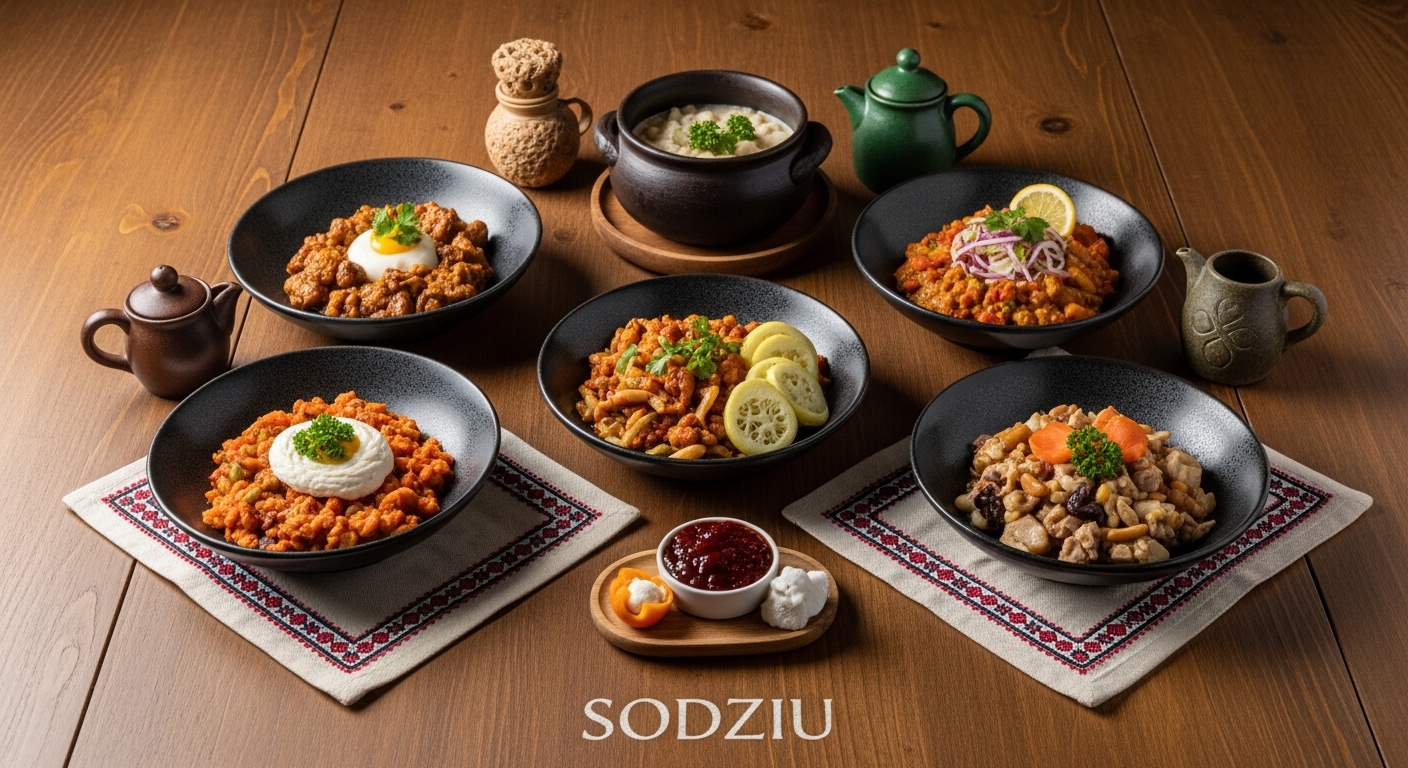
Food has always been more than nourishment; it is a living reflection of identity, heritage, and tradition. Among the many dishes that carry deep cultural roots, Sodziu stands out as a fascinating example of how a single culinary concept can evolve across regions. From rural kitchens to modern dining tables, this traditional dish has adapted in ways that reflect the values and resources of different societies. The story of Sodziu is not just about ingredients but about people, migration, and shared human experiences.
In today’s interconnected world, dishes like Sodziu travel far beyond their place of origin. As they move, they transform, taking on new flavors while still preserving their essence. This article explores how Sodziu is interpreted across cultures, highlighting its origins, variations, and the unique meanings it carries in different communities. Through this journey, we gain a deeper appreciation of how food connects us while celebrating diversity.
The Origins and Historical Roots of Sodziu
The roots of Sodziu trace back to traditional communities where food preparation was deeply tied to local agriculture and seasonal cycles. Historically, it was prepared using simple, readily available ingredients, often reflecting the socio-economic conditions of the people. In many regions, Sodziu was not just a meal but a symbol of resourcefulness, crafted from what was accessible and transformed into something nourishing and comforting. Its preparation methods were passed down through generations, making it a key part of cultural identity.
Over time, Sodziu evolved as communities interacted through trade, migration, and cultural exchange. These interactions introduced new spices, cooking techniques, and presentation styles. Despite these changes, the core idea behind Sodziu remained intact—a dish rooted in tradition and shared experiences. Its enduring presence highlights how culinary practices can adapt while preserving their historical significance, making it a timeless part of cultural heritage.
Sodziu in Eastern European Traditions
In Eastern Europe, Sodziu often reflects the region’s reliance on hearty, filling ingredients suited to colder climates. The dish is typically prepared with rich textures and robust flavors, emphasizing comfort and sustenance. It is commonly served during family gatherings and festive occasions, where food plays a central role in strengthening bonds and celebrating shared heritage. The preparation process itself is often communal, bringing families together in meaningful ways.
The cultural significance of Sodziu in this region extends beyond the kitchen. It represents resilience and the ability to create something fulfilling even in challenging conditions. Many Eastern European variations maintain traditional cooking methods, such as slow cooking or fermentation, which enhance both flavor and nutritional value. These practices reflect a deep respect for tradition and a commitment to preserving cultural identity through food.
How Asian Cultures Adapt Sodziu
Asian interpretations of Sodziu demonstrate a remarkable blend of tradition and innovation. In many parts of Asia, the dish is reimagined using local spices, herbs, and cooking techniques that create a completely different flavor profile. The emphasis often shifts toward balance, incorporating elements such as sweetness, acidity, and umami. This adaptation showcases the versatility of Sodziu and its ability to harmonize with diverse culinary philosophies.
In addition to flavor, presentation plays a significant role in Asian versions of Sodziu. The dish is often arranged with attention to detail, reflecting the cultural importance of aesthetics in food. This approach transforms Sodziu into not just a meal but an experience. By integrating local ingredients and artistic presentation, Asian cultures have redefined Sodziu while still honoring its traditional roots.
Sodziu in Middle Eastern Cuisine
In the Middle East, Sodziu takes on a rich and aromatic character, influenced by the region’s extensive use of spices and herbs. Ingredients such as cumin, coriander, and saffron are often incorporated, creating a depth of flavor that is both complex and inviting. The dish is commonly associated with hospitality, as sharing food is a central aspect of Middle Eastern culture. Serving Sodziu to guests is seen as a gesture of generosity and warmth.
The preparation of Sodziu in this region often involves slow cooking methods that allow flavors to develop fully. This process reflects a cultural appreciation for patience and craftsmanship in cooking. The result is a dish that is not only flavorful but also deeply symbolic, representing the values of community and togetherness. Through these adaptations, Sodziu becomes a bridge between tradition and contemporary culinary practices.
Western Interpretations of Sodziu
In Western cultures, Sodziu has been adapted to suit modern lifestyles and dietary preferences. The dish is often simplified or modified to align with contemporary cooking techniques, such as quick preparation methods or the use of processed ingredients. Despite these changes, the essence of Sodziu as a comforting and versatile dish remains intact. It is frequently featured in fusion cuisine, যেখানে traditional elements are combined with modern innovation.
Western interpretations also emphasize convenience and accessibility. Many versions of Sodziu are designed to be easily prepared at home, making it a popular choice for busy individuals and families. This approach reflects a shift in how traditional dishes are perceived, focusing on practicality without completely losing their cultural significance. As a result, Sodziu continues to evolve while remaining relevant in modern culinary landscapes.
Comparative Table of Sodziu Across Cultures
| Region | Key Ingredients | Cooking Style | Cultural Significance |
|---|---|---|---|
| Eastern Europe | Root vegetables, grains | Slow-cooked | Family bonding, resilience |
| Asia | Herbs, spices, sauces | Stir-fried/steamed | Balance, presentation |
| Middle East | Aromatic spices | Slow-cooked | Hospitality, tradition |
| Western Countries | Mixed, modern substitutes | Quick cooking | Convenience, innovation |
This table highlights how Sodziu adapts to different cultural contexts while maintaining its core identity. Each variation reflects the unique values and resources of the region, demonstrating the dish’s versatility and universal appeal.
The Role of Ingredients in Cultural Interpretation
Ingredients play a crucial role in shaping how Sodziu is interpreted across cultures. Local availability often determines what goes into the dish, resulting in a wide range of flavors and textures. In some regions, fresh and seasonal produce is emphasized, others rely on preserved or fermented ingredients. These choices not only affect the taste but also reflect cultural attitudes toward food and sustainability.
The adaptability of lies in its ability to incorporate diverse ingredients without losing its essence. This flexibility allows it to remain relevant in different culinary traditions. By embracing local flavors, Sodziu becomes a canvas for cultural expression, showcasing how food can evolve while staying true to its origins. This dynamic nature is what makes it a truly global dish.
Cultural Symbolism and Social Meaning of Sodziu
Beyond its culinary aspects, Sodziu deep cultural symbolism in many societies. It often represents unity, as it is commonly shared among family members. The act of preparing and serving Sodziu can carry emotional significance, reflecting care, and tradition. In some cultures, it is even associated with rituals and celebrations, making it an integral part of social.
The social meaning of Sodziu also extends to its role in storytelling. Recipes are often passed down through generations, carrying with them memories and cultural narratives. These stories add depth to the dish, transforming it into more than just food. Through people connect with their heritage and preserve their cultural identity, ensuring that traditions continue to thrive.
Modern Trends and the Globalization of Sodziu
The globalization of food has significantly influenced how Sodziu is perceived and prepared اليوم. With increased travel and digital connectivity, people are exposed to different interpretations of the dish, leading to new and innovative variations. Chefs and home cooks alike experiment with flavors and techniques, creating fusion versions that appeal to a global audience. This trend highlights the evolving nature of culinary traditions.
At the same time, there is a growing interest in preserving authentic recipes. Many people seek to reconnect with traditional cooking, valuing the history and craftsmanship وراء each dish. This balance between innovation and preservation ensures that remains both relevant and rooted in its origins. As it continues to evolve, it serves as a testament to the enduring power of cultural exchange.
Conclusion
Sodziu is more than just a traditional dish; it is a reflection of human creativity and cultural diversity. Its journey across different regions demonstrates how food can adapt while maintaining its core identity. Each interpretation of Sodziu tells a unique story, shaped by local ingredients, traditions, and values. This diversity is what makes it a truly remarkable culinary phenomenon.
As we explore the many faces of we are reminded of the universal language of food. It brings people together, bridges cultural gaps, and preserves traditions for future generations. Whether enjoyed in its traditional form or a modern adaptation, Sodziu continues to inspire and connect people around the world.